


Last Updated: November 21, 2026
Quick Summary
Yes, handmade western apparel is worth the investment for pieces you wear weekly, because stitched construction, better materials, and repairability lower the cost per wear over time. A handmade cowboy hat at $220 worn 50 times a year for 10 years costs $0.50 per wear, while factory boots at $150 cost $0.94. Skip the premium for one-off event pieces or trend-driven designs.
- Handmade boots are typically stitched and resoleable, while factory boots are often cemented and cannot be repaired.
- Check seams inside out, tension points, fiber content, hardware, and finishing before trusting a handmade claim.
- Handmade is not a regulated term in the US, so verify construction and ask the maker specific questions.
- Custom and made-to-order pieces trade speed for fit, so confirm lead times before a fixed event date.
- Avoid the premium when a piece will see little wear, fit is uncertain, or the design is a short-lived trend.
Table of Contents
- Handmade vs Factory-Made Western Wear: The Real Difference
- Handmade vs. Factory-Made Cowboy Boots: Where the Gap Shows
- Quality Western Apparel Craftsmanship: How to Verify It Before You Buy
- Custom Western Clothing: Fit, Lead Times, and Fit Risk
- Cost Per Wear: A Like-for-Like Comparison Across Categories
- Durability, Repairability, and End-of-Life Value
- How to Care for Western Wear So the Investment Holds
- When Handmade Western Apparel Is Not Worth the Premium
- Frequently Asked Questions
Handmade vs Factory-Made Western Wear: The Real Difference
Is handmade western apparel worth the investment? For most shoppers replacing fast-fashion pieces every season, yes. The gap between handmade and factory-made western wear shows up in three places: how the garment is cut and sewn, how it fits after the first wash, and how many years it stays in rotation. At Blacktop Ranch, we build limited, made-to-order collections cut from scratch, so we have a clear stake in this argument. Below, we break down the real differences, the honest trade-offs, and the cases where the premium is not worth paying.
What the Price Tag Actually Pays For
The higher price on handmade western apparel pays for labor and materials, not a label.
Our BTR Classic Workwear Jacket is a fair example. It has a 12 oz heavyweight canvas body with contrast denim detailing and a full front zipper. You can see exactly where the money went: fabric weight, structured silhouette, durable construction.
Handmade vs. Factory-Made Cowboy Boots: Where the Gap Shows
Handmade versus factory-made cowboy boots differ most in the construction method. Factory boots are often glued or cemented; handmade boots are typically stitched, which changes how they break in and whether they can be repaired. That single difference drives most of the cost gap.
The visible gap shows up in four places:
- Stitching: hand-guided stitching follows curves cleanly; machine stitching can pucker at the welt.
- Tension points: the welt, the heel counter, and the pull straps take the most stress, and handmade boots reinforce them deliberately.
- Leather quality: full-grain leather creases instead of cracking.
- Repairability: a stitched sole can be resoled; a cemented sole usually cannot.
A common mistake is judging boots by the shaft leather alone. The sole attachment is the tell.
Quality Western Apparel Craftsmanship: How to Verify It Before You Buy
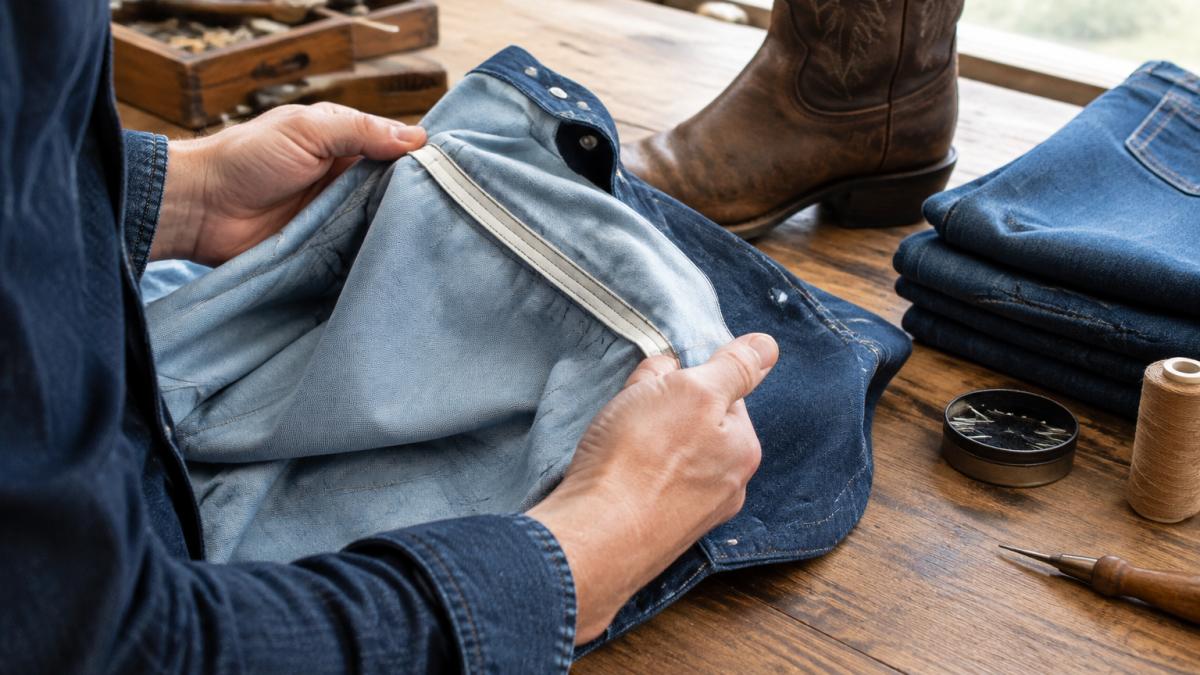
Quality western apparel craftsmanship can be checked before you buy. Turn the garment inside out, check the seams, and read the fiber content before you trust any handmade claim. Most guides tell you to "look for quality"; here is a checklist you can actually run in a store or on a product page.
The Five-Minute Inspection Checklist
Work through these in order. Each one is a pass-or-flag check, not a judgment call.
- Seams, inside out. Double-stitched main seams hold up to daily wear; single-stitched seams on stress areas are a warning sign. Look for even stitch length and no loose threads at the ends.
- Tension points. Armholes, crotch, pocket corners, and button plackets take the most stress. Pull gently and watch for puckering or gaping. Handmade pieces reinforce these deliberately; factory pieces often do not.
- Fiber content label. Natural fibers like silk, wool, and cotton breathe and age well; synthetic blends pill and hold odor. A maker who will not state fiber content is telling you something.
- Hardware and closures. Pearl snaps, zippers, and buttons should feel solid and sit flush. Cheap hardware fails before the fabric does.
- Finishing. Check the hem, the collar roll, and the inside of the cuffs. Clean finishing on hidden surfaces is the clearest sign a human handled the garment.
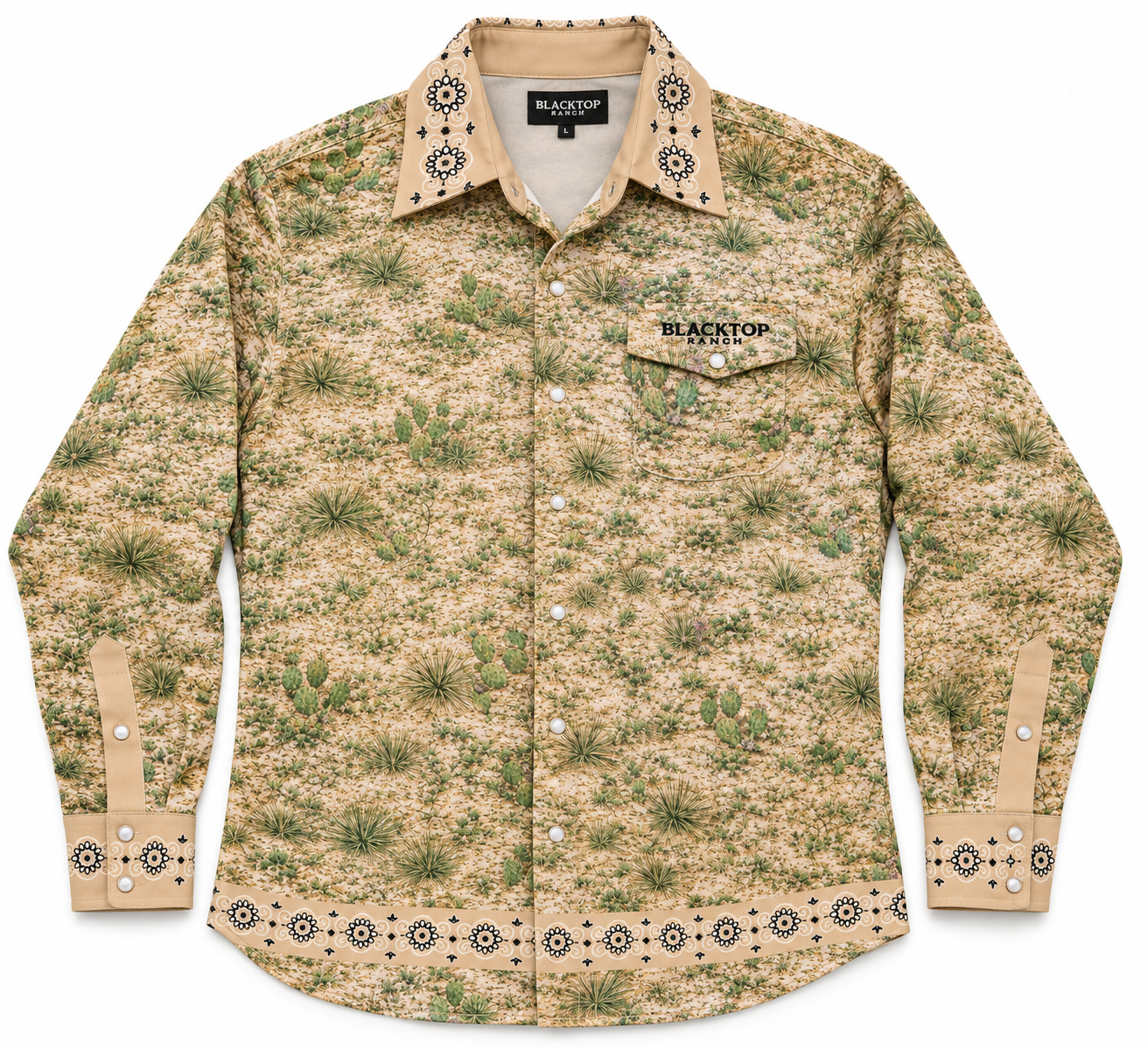
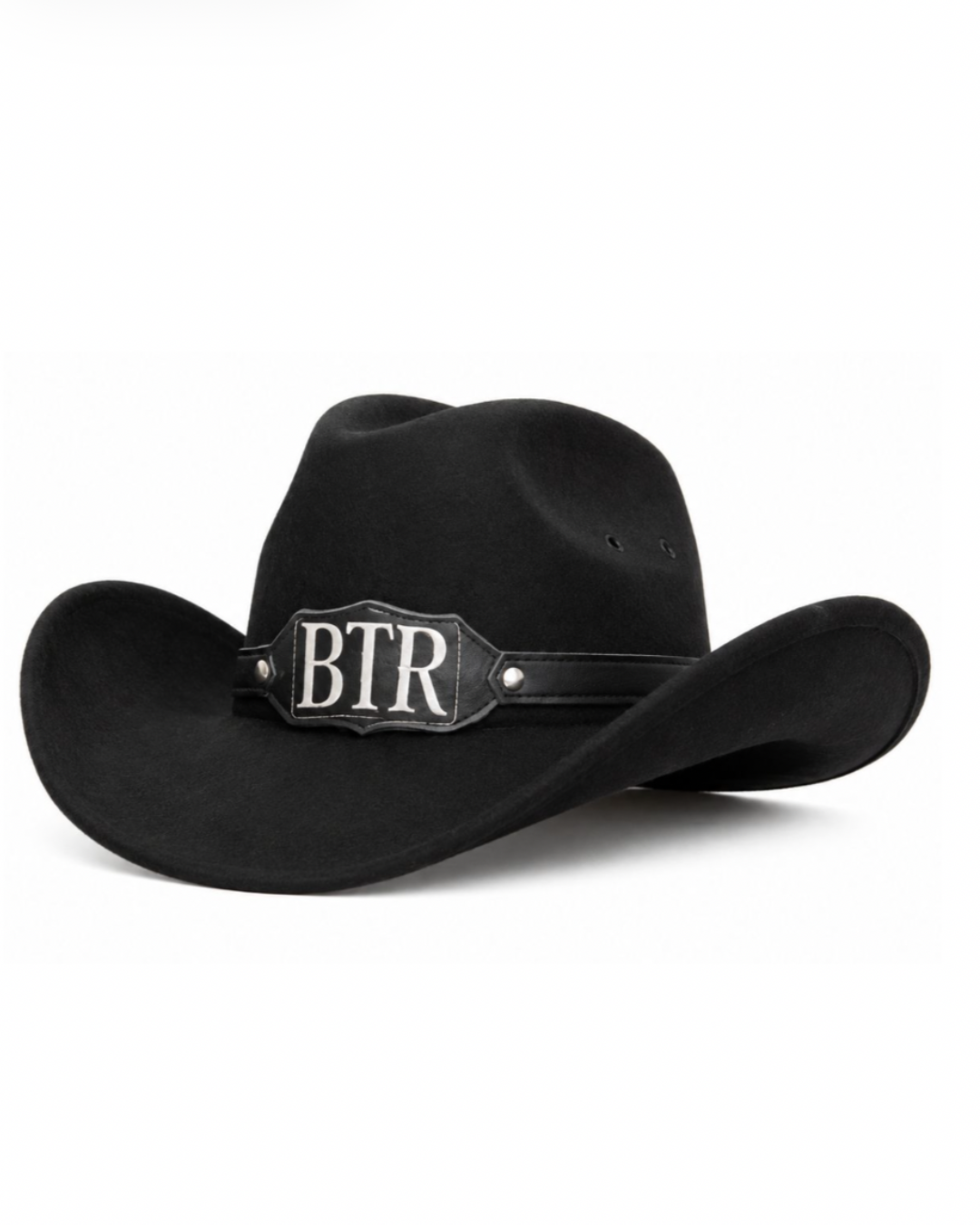
Materials matter just as much as construction. Our Texas Camo Western Silk Button Up is a premium silk with structured cuffs and pearl snap buttons. A real handmade hat is just as inspectable: the Midnight Rancher Cowboy Hat features a structured crown, curved brim, and Blacktop Ranch metal emblem.
How to Verify a Handmade Claim
"Handmade" is not a regulated term in the United States. A brand can use it loosely, so verify construction rather than trusting the word. The Federal Trade Commission's guidance on advertising claims requires claims to be truthful and substantiated, which is why a close look at the seams beats any label.
Ask the maker four questions before you buy:
- Who made it, and where? A named workshop or maker is a stronger signal than a vague "crafted with care."
- What is the construction method? Stitched versus glued, cut-to-order versus mass-cut. The answer should be specific.
- What is the fiber and hardware spec? Weight, content, and closure type. Vague answers are a flag.
- What is the repair and return policy? A maker who stands behind repairability is usually standing behind construction.
Watch out: a high price and rustic photography are not evidence of handwork. Plenty of factory-made pieces are marketed with handmade language, and the only reliable test is the checklist above plus a maker who will answer specific questions.
Custom Western Clothing: Fit, Lead Times, and Fit Risk
Custom western clothing trades speed for fit. Made-to-measure and made-to-order pieces take longer to arrive, and sizing still depends on accurate measurements. The real risk is not quality, it is timing and fit.
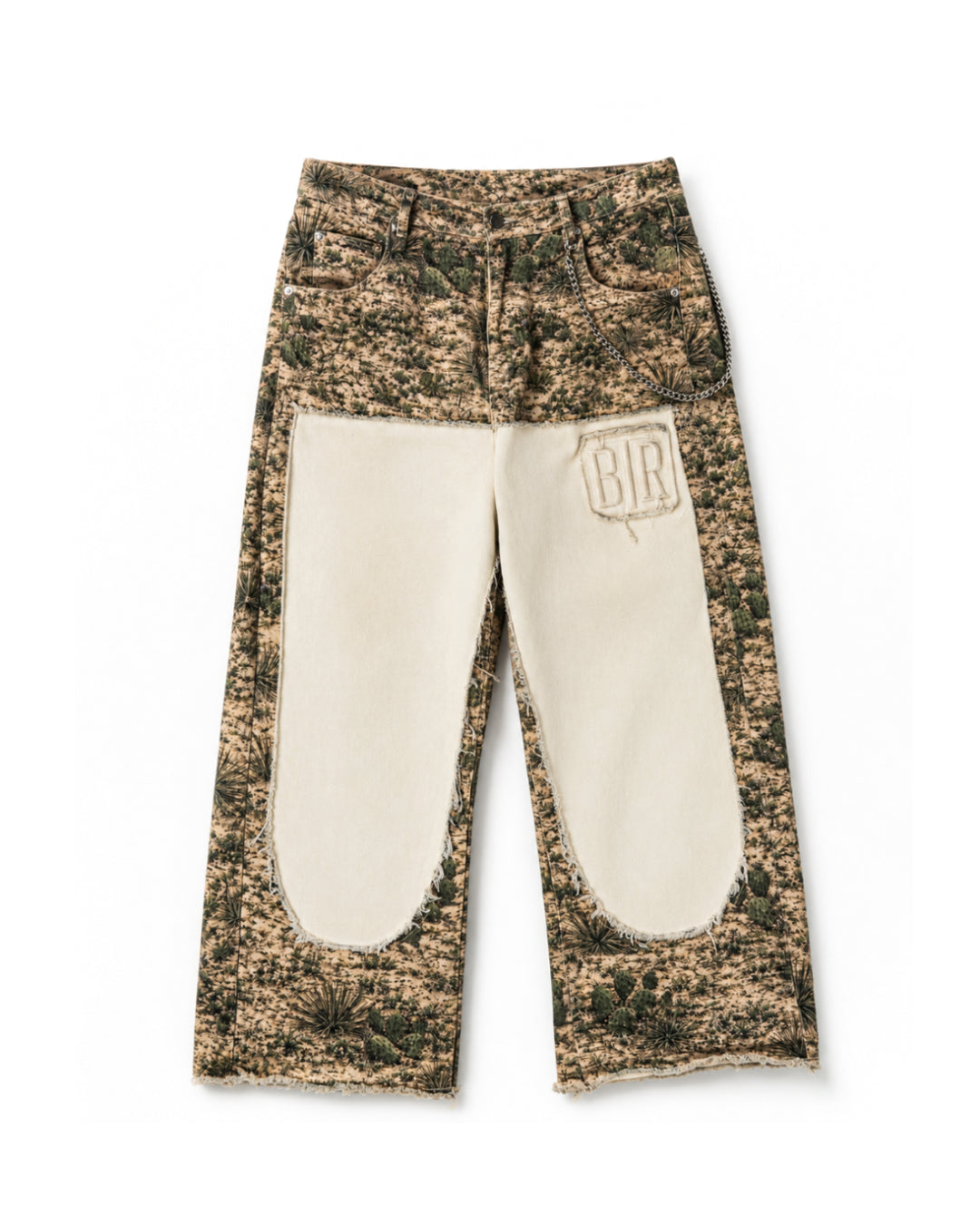
Our made-to-order runs are limited, so a piece you want may not be available again. To lower fit risk, compare the size chart against a garment you already own. The Texas Camo Distressed Jeans list waist, hip, and length measurements in inches, so you can measure a pair you like and match it directly. If a waist gap is your usual fit problem, see how to fix a jeans waist gap before you size up or down.
Watch out: ordering custom for a fixed event date without confirming the lead time is the most common way buyers get burned.
Cost Per Wear: A Like-for-Like Comparison Across Categories
Cost per wear is the purchase price plus reasonable repair costs, divided by the number of times you actually wear the item.
The formula: (purchase price + repair costs) ÷ total wears = cost per wear. Total wears is wears per year multiplied by years of use.
| Category | Purchase Price | Repairs Over Life | Wears Per Year | Years of Use | Total Wears | Cost Per Wear |
|---|---|---|---|---|---|---|
| Fast-fashion western shirt | $30 | $0 | 15 | 1.5 | 22 | $1.36 |
| Factory denim jeans | $70 | $0 | 40 | 2.5 | 100 | $0.70 |
| Handmade silk button-up | $180 | $25 (one re-sew) | 30 | 6 | 180 | $1.14 |
| Handmade workwear jacket | $260 | $40 (patch and re-sew) | 60 | 8 | 480 | $0.63 |
| Handmade cowboy hat | $220 | $30 (reblock, new sweatband) | 50 | 10 | 500 | $0.50 |
| Factory cowboy boots | $150 | $0 (cemented, not resoleable) | 80 | 2 | 160 | $0.94 |
| Handmade stitched cowboy boots | $450 | $120 (two resoles) | 80 | 10 | 800 | $0.71 |
Total Wears
The pattern is consistent: the more often you wear a piece and the longer it lasts, the more the handmade premium disappears. A jacket worn weekly for eight years beats a cheap one replaced every season. The catch is wear frequency.
Three adjustments change the math in ways the sticker price hides:
- Repair costs are real but small relative to replacement. Build those into the numerator rather than treating them as surprises.
- **** Well-made pieces in good condition hold more of their value than fast-fashion equivalents, especially in limited runs. If you sell a jacket after five years, subtract the resale value from the numerator before dividing.
- Frequency dominates. The investment case depends on wear, not on the label.
Watch out: comparing a handmade piece you wear weekly against a fast-fashion piece you wear twice a month is not like-for-like. Match the wear frequency before you trust the comparison, or the math flatters whichever item you already prefer.
Run the formula on the pieces you are actually considering. If the projected cost per wear is lower than what you pay now and you will genuinely wear the item that often, the premium is doing its job.
Durability, Repairability, and End-of-Life Value
Durability is where handmade western apparel earns its keep.
Repairability separates investment pieces from disposable ones.
How to Care for Western Wear So the Investment Holds
Caring for western wear is mostly about avoiding heat, harsh detergent, and unnecessary washing. Follow the care label and the garment will outlast its cheaper counterparts by years.
- Silk shirts: dry clean recommended, or hand wash cold with mild detergent, do not wring, and hang or lay flat to dry away from direct sunlight.
- Denim: machine wash cold inside out with like colors, tumble dry low or hang dry, and wash separately before first wear.
- Canvas jackets: machine wash cold with like colors, then hang dry or tumble dry low.
- Wool felt hats: spot clean only, avoid excessive moisture, and store in a cool, dry place away from direct sunlight and heat.
When Handmade Western Apparel Is Not Worth the Premium
Handmade western apparel is not worth the premium when the piece will see little wear, when the fit is uncertain and returns are limited, or when a trend-driven design will date quickly. Be honest about your wear frequency before you pay more.
Skip the investment if:
- You need the item for one event and will rarely wear it again.
- You are still finding your size in a category and cannot absorb fit risk.
- The design is a short-lived trend rather than a staple.
- Your budget cannot stretch without stress, since a well-cared-for mid-range piece beats a neglected premium one.
Best for: daily wear, staple pieces, and buyers who want longevity. Skip if: you need fast turnaround or a one-off costume piece.
Buying better means buying less, and choosing pieces built to be worn hard and repaired rather than replaced. Blacktop Ranch designs elevated western apparel in limited, made-to-order runs, with pieces like the BTR Classic Workwear Jacket, the Texas Camo Western Silk Button Up, and the Midnight Rancher Cowboy Hat. Get started with Blacktop Ranch and build a wardrobe that holds its value.
Frequently Asked Questions
Are handmade clothes worth the higher price?
It depends on how often you wear them. The premium pays off when the piece fits well, holds up to repeat wear, and can be repaired instead of replaced. It does not pay off for a one-off costume or a trend you will drop in three months.
How can you tell if western apparel is well made?
Check the seams first. Quality western apparel craftsmanship shows in double-stitched stress points, clean interior finishing with no loose threads, and pattern matching across the placket and pockets. Look at the materials: silk should feel smooth and lightweight, denim should have weight and structure, and wool felt hats should hold their crown shape. Ask how the piece was constructed and whether it can be repaired, since a maker who stands behind the build will answer directly.
Does handmade clothing last longer than mass-produced clothing?
Factory-made pieces cut corners at tension points, which is where they fail first. Lifespan also depends on care: dry cleaning silk, spot cleaning wool felt hats, and washing denim cold inside out all extend how long a garment stays wearable.
Is custom western clothing worth the cost?
Custom western clothing is worth it when standard sizing has failed you or when you want a specific fit for a specific body and use. The trade-offs are lead time and fit risk. Confirm the maker's size chart and return policy before you commit, since a custom piece that does not fit is harder to resell than a stock item.
How should you care for handmade western apparel?
Follow the maker's instructions exactly, because handmade pieces often use materials that punish generic care. Silk button-ups should be dry cleaned or hand washed cold and laid flat to dry. Wool felt hats need spot cleaning only, stored cool and dry away from direct sun. Denim should be washed cold inside out and hung or tumble dried low. Proper care for western wear is what keeps the cost-per-wear math in your favor.


